
Mould coating services · Bawana, Delhi
PTFE Non Stick Coating for Roller Moulds
PTFE non stick coating can be assessed for roller moulds whose patterned surfaces form or shape a product. Jai Ambay Etching Process reviews the moulding face, dimensions and release problem before discussing a coating specification. This service page concerns roller moulds, rather than general conveyor or handling rollers.
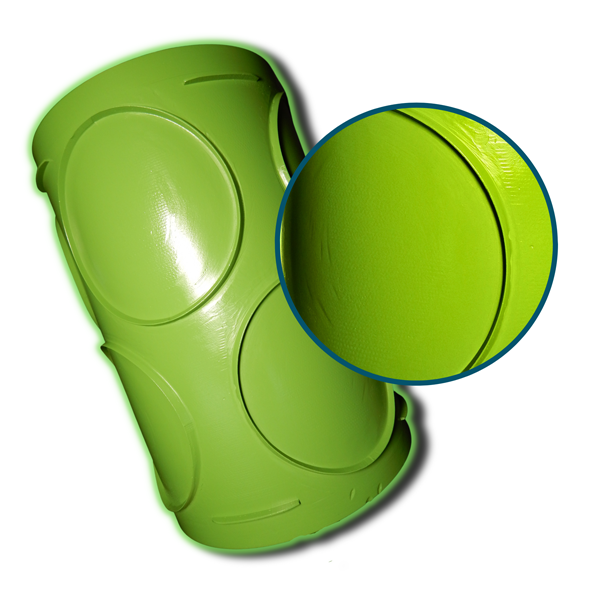
What Makes a Roller Mould Different?
A roller mould combines a shaped surface with rotation. Its pattern may form repeated shapes or details as the product passes through the process. Material trapped in a recess can affect release and make cleaning difficult.
PTFE non stick coating may help a suitable moulding face release more easily. However, the pattern, working diameter and operating conditions still control the application. A coating cannot correct a damaged pattern or a mechanical alignment problem.
Describe the Sticking Pattern
Tell us whether deposits appear across the whole moulding face or only at certain positions. Note whether the problem starts immediately or develops after a production run. Photographs taken before cleaning can show where residue collects.
Before specifying PTFE non stick coating, we need to understand the contact conditions. Share the operating temperature, rotation details, cleaning routine and any release treatment already in use. Describe the product being formed without assuming the existing coating caused every defect.
Details Needed for a Roller Mould Assessment
Provide the overall length, moulding face length and working diameter, with units. Include a drawing that shows journals, fitted areas and the patterned section. Tell us whether the tool contains removable inserts or assembled components.
The weight and construction also matter when reviewing handling and processing needs. Confirm which components can be removed. We assess suitability and capacity for the individual mould; there is no blanket acceptance based only on its name.
Benefits of PTFE Non Stick Coating
Release from Patterned Areas
A suitable coating can reduce sticking on the moulding face. Deep recesses and sharp details still need review because they affect access, coating build and product removal.
Cleaning the Working Face
A release surface may make some deposits easier to remove. Use the agreed cleaning tools and method to avoid scratching the pattern or coating.
Clear Surface Boundaries
A defined coating plan separates the working pattern from fitted features. This helps identify which areas need treatment and which areas require masking.
How We Plan PTFE Non Stick Coating
Review the Drawing
We study the moulding face, dimensions and identified problem areas. Point out any changes made since the drawing was issued.
Inspect Existing Wear
Worn details, previous coatings and damaged edges need assessment. Record defects before work so expectations are clear.
Prepare the Surface
Preparation must suit the roller mould and selected coating. The condition of the existing layer affects the work required.
Mask Protected Features
We agree which journals, threads, locating areas and assembly faces stay uncoated. Mark them clearly on the drawing.
Apply, Cure and Check
PTFE non stick coating follows the selected system requirements. Final checks should address the coated area, finish and acceptance points agreed for the job.
Protecting Pattern Depth and Working Diameter
The coating adds thickness to the treated surface. That build can affect a patterned recess and the finished working diameter. Close fits need attention even when the coating layer appears thin.
For PTFE non stick coating on roller moulds, share the required final dimensions and texture details. Tell us if your specification requires checks for runout or other measurements. Those checks need agreement; do not assume they come with every coating quotation.
Understanding Coating Cost and Timing
Size, patterned area, quantity and condition affect the price. Old coating removal and detailed masking may increase the work. A drawing helps identify requirements that a photograph may not show.
Ask for a PTFE non stick coating quote based on your actual roller mould. Include any inspection records you need. The team can discuss timing after reviewing the tool and schedule, rather than promising a fixed delivery period before assessment.
Looking After the Coated Pattern
Follow the care instructions for the chosen coating. Avoid digging hardened residue out of small recesses with an unapproved sharp tool. Ask about compatible cleaners and suitable cleaning methods before restarting production.
Keep a simple record of deposit locations and cleaning intervals. If release changes, check the operating conditions as well as the surface. Photographs and production notes help the team understand whether wear follows a repeated pattern.
Show the Complete Moulding Pattern
Photograph the pattern from several positions around the roller mould. A single front view may hide recesses or damaged areas on the opposite side. Include a close view of the deepest features and a wider view showing their position.
If one section behaves differently, mark it on the drawing. Record whether the issue repeats at the same point during rotation. Share any previous repair details before coating work begins.
Keep the original drawing and the agreed surface requirements together. They help the team review your enquiry consistently.
Include clear units.
Frequently Asked Questions
Is PTFE Non Stick Coating Suitable for Every Roller Mould?
No. Suitability depends on the mould condition, construction, pattern and operating requirements. A drawing and photographs support an initial review.
Can You Coat an Assembled Roller Mould?
Assembly details need assessment. Identify components that cannot tolerate the proposed processing conditions and explain which items can be removed before work.
Will Coating Hide Fine Features?
Coating build can affect small details. Share feature dimensions and required finish so the team can review allowance and application needs.
Can a Previously Coated Roller Mould Be Recoated?
It may be possible after checking the old layer and underlying tool. Worn patterns or damaged fitted areas may need other work first.
Request a Roller Mould Review
Jai Ambay Etching Process was established in 1996 and operates from Bawana, New Delhi. Send roller mould photographs and drawings to discuss PTFE non stick coating. Include dimensions, quantity, temperature and the release issue. Use our contact page to prepare your enquiry, then send it by WhatsApp or email.
Jai Ambay Etching Process – PTFE non stick coating and mould services
Visit our company website to learn more about our services. Contact our team to discuss your mould requirements and coating specification.
Start with your component
Send your part photo for a quote.
Include material, dimensions, quantity and working conditions.