
Mould coating services · Bawana, Delhi
PTFE Non Stick Coating for Moulds and Dies
PTFE non stick coating can help suitable moulds release products with less sticking. Jai Ambay Etching Process reviews your cavity design, surface condition and production needs before discussing coating work. Send photographs and drawings for an assessment. We focus on mould surfaces, including the details that control release, fit and cleaning.
What Does a Mould Release Coating Do?
A release coating creates a treated surface between the mould cavity and the product. PTFE is a fluoropolymer used in some coating systems to support low friction and easier release. The selected system must suit the mould and the way you use it.
PTFE non stick coating does not correct a poor cavity design, fill missing metal or repair cracks. If sticking comes from damaged tooling or production settings, those issues also need attention. A useful assessment looks at the whole problem.
Is Your Mould Difficult to Release?
Products may stick in one cavity, around a textured area or near a sharp feature. Operators may notice residue, removal marks or longer cleaning stops. Tell us exactly where the problem occurs and whether it changes during a production run.
Before recommending PTFE non stick coating, we ask about the moulding cycle, temperature, release agents and cleaning method. These details help separate a surface problem from an issue that needs a different solution.
Mould Applications We Can Review
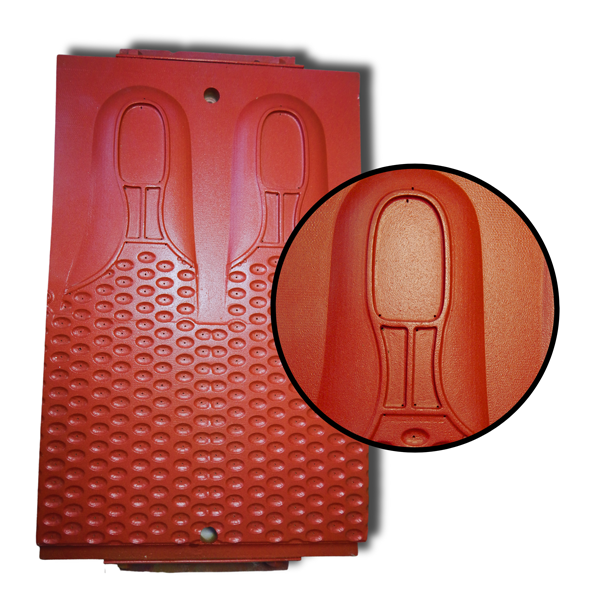
Send enquiries for footwear moulds, slipper moulds, rubber component moulds and other shaped mould cavities. Include photographs of the full tool and close views of the areas that contact the product.
For a mould with several cavities, identify whether each cavity has the same problem. Numbered photographs make the discussion clearer. If only certain faces need coating, mark them on the drawing rather than relying on a general photograph.
Benefits of PTFE Non Stick Coating
Easier Separation
A suitable release surface can reduce the tendency of the product to stick. The actual improvement depends on cavity shape, operating conditions and the selected coating system.
Simpler Cleaning
Some residue may become easier to remove. Follow the agreed cleaning procedure, because a sharp scraper or unsuitable cleaner can damage the finish.
A Defined Working Surface
Coating gives the mould a specified surface treatment. Agree the finish, coated areas and inspection points before work begins, especially where appearance or fit matters.
How We Plan PTFE Non Stick Coating
Inspection
We review the mould, existing coating, photographs and drawings. Tell us about repairs, wear and any previous release problems.
Preparation
We select preparation for the mould condition and proposed system. Contamination and failing layers need assessment before applying a new finish.
Masking
We agree which vents, threads, locating features and mating faces must remain uncoated. Clear markings help avoid misunderstandings.
Application and Curing
PTFE non stick coating needs the application and cure conditions specified for the selected system. There is no single setting for every mould.
Final Review
Discuss coverage, finish and critical features before quotation. Any required measurements or records should form part of the agreed scope.
Thickness, Clearances and Fine Detail
Coating adds a layer to the surface. Inside a cavity, that layer can reduce available space. It may also change the clearance between fitted features. Even a small change can matter when your drawing has tight tolerances.
For PTFE non stick coating on precise tooling, send the required finished dimensions. Identify parting faces, shallow textures, vents and inserts. We discuss coating allowance and masking before proceeding, rather than assuming every area should receive the same treatment.
What Determines the Price and Lead Time?
The quotation depends on mould size, cavity count, quantity and surface condition. Old coating removal, detailed masking and inspection requirements can add work. A clear drawing helps explain these needs.
A PTFE non stick coating quotation should state the agreed scope. Ask what preparation, masking and checks it includes. Delivery timing follows the assessment and current schedule; a photograph alone cannot confirm a completion date.
Caring for a Coated Mould
Follow the care instructions for the selected coating. Avoid unapproved scraping methods and confirm cleaner compatibility before use. Record any changes in release or cleaning effort during routine production checks.
If the surface peels or exposes the underlying mould, request an inspection. Adding another layer without reviewing the failure can leave the original problem unresolved. Keep photographs of wear so the team can compare affected areas.
Prepare a Clear Mould Drawing
Use the latest drawing when discussing coating. Show which faces touch the product and which features control assembly. If the drawing differs from the tool now in use, mark the changes and send photographs alongside it.
For a set of similar moulds, give each tool an identification number. List any differences in wear, cavity shape or previous coating. This helps keep the assessment organised and avoids treating different conditions as one job.
Keep a copy of the agreed scope for your records. It provides a useful reference when checking the returned mould and discussing future maintenance.
Send labelled images wherever possible.
Frequently Asked Questions
Can PTFE Non Stick Coating Cover Textured Cavities?
Textured cavities need assessment. Send close photographs and information about feature depth and finish. The team must consider how coating build may affect the detail.
How Long Will the Coating Last?
Wear, temperature, cleaning, cavity design and production conditions affect service life. We cannot give a reliable universal lifespan without knowing the application.
Can You Recoat an Existing Mould?
Recoating may be possible after inspection. Cracks, corrosion or lost dimensions may require repair or replacement before any coating decision.
What Should I Send for a Quote?
Send mould photographs, dimensions, cavity count, quantity, working temperature and the release problem. Add a drawing showing areas that must remain uncoated.
Discuss Your Mould with Our Team
Jai Ambay Etching Process was established in 1996 and operates from Bawana, New Delhi. Discuss PTFE non stick coating with the team using the contact page. Explain your mould requirements so the assessment starts with useful information, not guesswork.
Jai Ambay Etching Process – PTFE non stick coating and mould services
Visit our company website to learn more about our services. Contact our team to discuss your mould requirements and coating specification.
Start with your component
Send your part photo for a quote.
Include material, dimensions, quantity and working conditions.