
Mould coating services · Bawana, Delhi
PTFE Non Stick Coating for Food Moulds
PTFE non stick coating can be considered for suitable food moulds when release and cleaning need improvement. Jai Ambay Etching Process reviews the mould, operating conditions and required coating documents before discussing a specification. This page focuses on food moulds, including shaped waffle and bread mould applications.
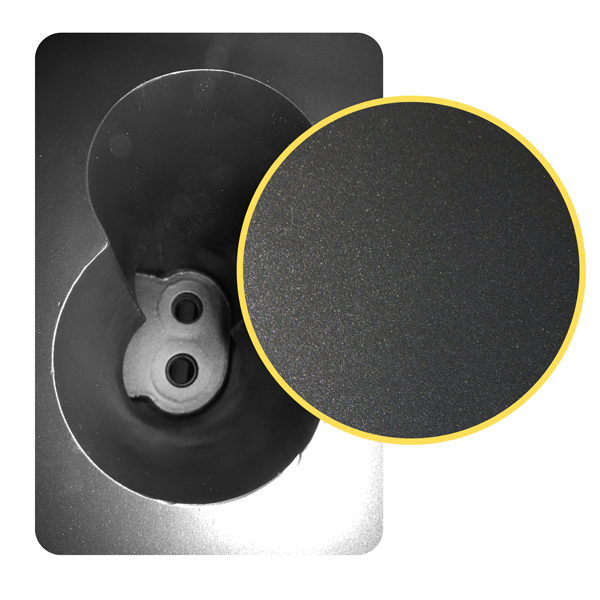
What Does a Food Mould Coating Do?
A suitable coating forms a release surface inside the mould. It can help reduce sticking when the coating system, food process and mould design work together. It does not replace correct cleaning or suitable production settings.
PTFE non stick coating is not automatically suitable for every food application. Food-contact suitability depends on the exact coating documentation and intended conditions of use. The word non-stick, a colour or a photograph does not prove compliance.
Explain the Release Problem
Tell us where food remains in the cavity and whether sticking changes during production. Include photographs of corners, patterns and areas that require extra cleaning. Explain how you remove the product from the mould.
Before discussing PTFE non stick coating, share normal and peak temperatures, contact time and cleaning conditions. If the mould already has a coating, send any available specification. This helps the team understand the surface rather than guess from its appearance.
Food Mould Applications to Discuss
Our existing gallery includes waffle plate and bread mould examples. Send enquiries for moulds that shape food products, with dimensions and cavity details. The application name alone does not confirm coating suitability.
Identify removable inserts and any attached components. Tell us which surfaces contact food and which areas need to remain uncoated. For a mould with several cavities, explain whether the same release problem appears in each one.
Benefits of PTFE Non Stick Coating
More Controlled Release
A suitable release surface can help food separate from the mould. Recipe, process settings and cavity design still influence results, so coating is one part of the assessment.
Easier Removal of Some Deposits
Some residue may become easier to clean. Agree the cleaning method for the selected coating and follow the instructions when the mould returns to use.
A Clear Coating Specification
An agreed system gives the enquiry a defined scope. Include food-contact requirements, working conditions and inspection needs before the quotation is prepared.
Selecting PTFE Non Stick Coating for Food Moulds
Review the Intended Use
State what the mould shapes and how long the food contacts it. Describe repeated heating, cooling and cleaning cycles.
Check Required Documentation
Ask for the documents relevant to the exact coating system and application. Do not rely on a general brochure covering unrelated products.
Assess the Existing Surface
Worn coating, scratches and damaged cavities need review. The mould condition affects whether preparation and coating are appropriate.
Agree Masking and Application
Mark fitted faces, openings and other features that should remain uncoated. The selected system determines preparation, application and curing requirements.
Discuss Final Checks
PTFE non stick coating work needs agreed acceptance points. Confirm the required finish, coated surfaces and documentation before the job starts.
Food Contact, Thickness and Temperature
No single food-contact statement covers every coating under every condition. The team must review the selected product documents alongside the intended use. We do not present this page or its photographs as certification.
For PTFE non stick coating inside precise cavities, coating build also matters. It can change available space and affect fine detail. Share drawings, required dimensions and temperature information so suitability and coating allowance can be discussed together.
What Affects the Quotation?
Mould size, number of cavities, quantity and surface condition influence cost. Old coating removal, masking and agreed inspection requirements also affect the scope. Tell us whether components need removal before processing.
A PTFE non stick coating quotation should identify the proposed work and relevant documentation. Delivery timing depends on assessment and the production schedule. Provide a required date, but wait for confirmation before planning around it.
Cleaning and Maintenance
Follow the selected coating and mould care instructions. Ask about cleaner compatibility, cleaning tools and operating limits before putting the mould back into production. Do not treat every non-stick finish as identical.
Inspect the surface during routine maintenance. Record scratches, peeling, residue and changes in release. If you notice damage, seek an assessment and follow your equipment and food quality procedures before deciding how to continue using the mould.
Separate Cleaning Needs from Coating Claims
Explain the cleaning routine you actually use, including soaking, brushing and repeated cleaning cycles. A coating assessment needs this information as well as the production temperature. Mention any planned change in cleaning products before agreeing the specification.
For mould sets, identify cavities with different wear or release behaviour. Send labelled photographs so the team can match each image to the correct tool.
Keep the coating documents and care instructions with your maintenance records. Review them when production conditions change, rather than assuming an earlier coating choice remains suitable for every later use.
Ask questions before approving the work or changing cleaning methods.
Frequently Asked Questions
Is PTFE Non Stick Coating Always Food Grade?
No blanket statement applies. The exact coating system, its documentation, application and conditions of use determine suitability for food contact.
Can You Recoat a Worn Food Mould?
Recoating may be possible after inspecting the old layer and mould condition. Share photographs, previous coating details and operating requirements.
Will the Coating Stop All Food Sticking?
No coating can guarantee that across every process. Food characteristics, mould design, temperature, handling and cleaning also affect release.
What Documents Should I Request?
Explain the food-contact conditions and requirements that apply to your use. Ask the team which documents support the proposed coating system before agreeing the work.
Discuss Your Food Mould Application
Jai Ambay Etching Process was established in 1996 and operates from Bawana, New Delhi. Contact the team about PTFE non stick coating for your food moulds. Send clear photographs, dimensions, quantity, working temperatures and documentation needs. Prepare a message on our contact page and attach your mould photographs in WhatsApp or email.
Jai Ambay Etching Process – PTFE non stick coating and mould services
Visit our company website to learn more about our services. Contact our team to discuss your mould requirements and coating specification.
Start with your component
Send your part photo for a quote.
Include material, dimensions, quantity and working conditions.