
Mould coating · Manesar
PTFE non stick coating in Manesar.
Looking for PTFE non stick coating in Manesar? We help you assess mould release problems, cavity residue and worn non-stick finishes. Send your mould photographs for a practical discussion with our team.
Opens WhatsApp · Attach your photos after opening the chat.
Enquiries from Manesar
Coating workshop in Bawana, New Delhi
Mould coating, explained
What does PTFE non stick coating do for moulds?
PTFE non stick coating creates a low-friction, non-stick surface on a suitable mould to help products release with less sticking. Jai Ambay Etching Process reviews mould condition, cavity detail and production requirements before discussing the coating system. We handle enquiries from Manesar through our Bawana, New Delhi workshop.
PTFE stands for polytetrafluoroethylene. A suitable mould release coating can make residue easier to remove and reduce drag during demoulding. The result depends on mould geometry, preparation, operating conditions and maintenance. We assess these factors together rather than promise the same outcome for every mould.
Find your application
PTFE non stick coating for your mould application
Choose your mould application to explore the service. Send a photograph if you need help identifying the right starting point.
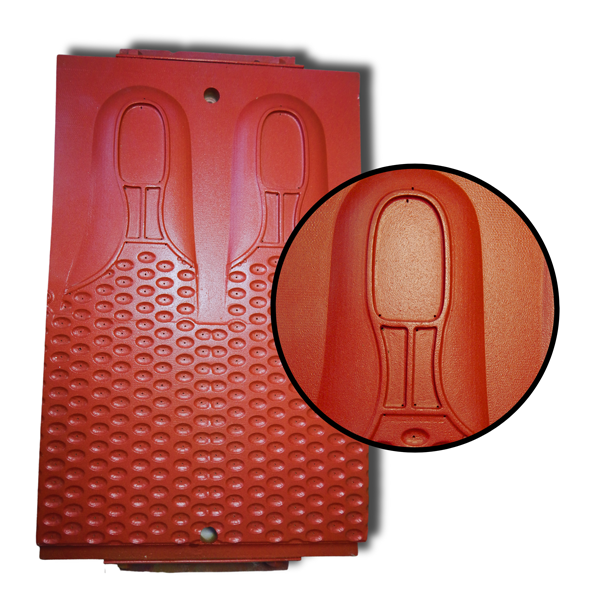
Mould cavity coating
Discuss PTFE non stick coating for sticking, residue and difficult release from mould cavities.
Explore service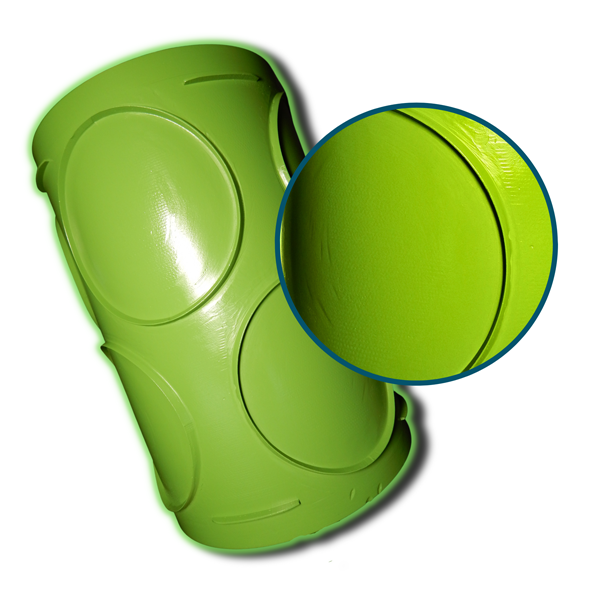
Roller mould coating
Share roller mould dimensions and cavity details so we can review the working face.
Explore service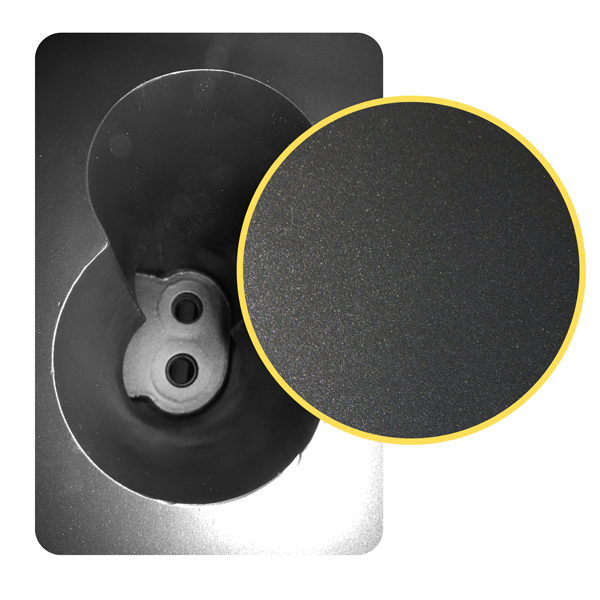
Food mould coating
Discuss PTFE non stick coating for food moulds and the documentation your application needs.
Explore service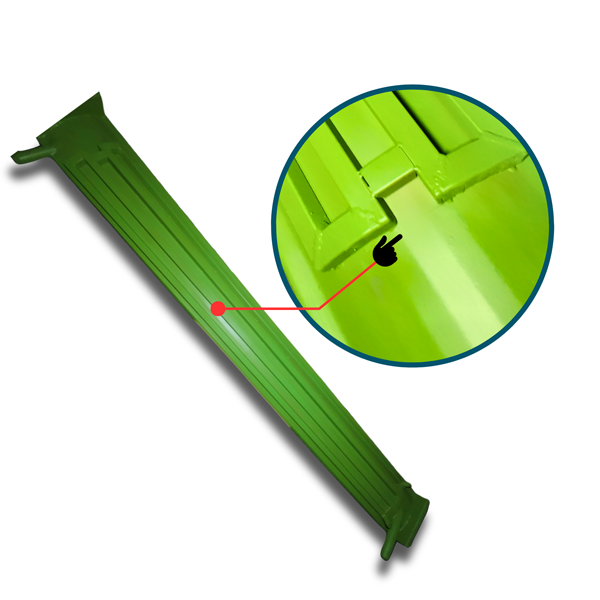
Mould recoating
Send photos of your worn mould finish so we can assess preparation and recoating.
Explore serviceWhen should you consider mould coating?
Consider PTFE non stick coating when sticking or surface residue interrupts your moulding cycle. Explain where the problem occurs and whether it affects every cavity or only one area.
- Difficult mould release
- Tell us whether products stick around corners, textured surfaces or deep cavities. Include close-up photographs and describe how operators remove each product.
- Frequent residue removal
- Describe the deposit, your cleaning method and how often production stops for cleaning. These details help us understand the working surface.
- Worn non-stick surfaces
- Show peeling, scratches and exposed areas. We assess the existing finish and mould condition before discussing recoating.
What affects a mould coating specification?
We assess PTFE non stick coating against the mould drawing and operating conditions. Share the details below so we can discuss the working surfaces and areas that need protection.
- Cavities and dimensional tolerances
- Identify critical dimensions, fine textures, edges and mating faces. Coating adds thickness, so agree the required finish before work begins.
- Masking and preparation
- Mark vents, threads, sealing faces and surfaces that must remain uncoated. Tell us about previous treatments and any mould repairs.
- Temperature and cleaning
- Share normal and peak operating temperatures, cycle conditions and cleaning products. Ask us to confirm the selected system's limits for your mould.
How much does PTFE non stick coating for moulds cost?
We quote after reviewing mould size, cavity complexity, quantity and surface condition. Old-coating removal, preparation and masking can change the work involved. A mould-specific quotation gives you a clearer basis for planning than a universal rate.
- Send a complete enquiry
- Include mould photographs, dimensions, quantity and drawings. Explain the release problem and your preferred maintenance window.
- Confirm the scope
- Ask what the quotation covers, whether inspection could change the scope, and how the team will confirm any additional work.
Follow the agreed cleaning instructions. Avoid abrasive tools, record release changes and report visible wear before planning another production run. Keep a maintenance record with cleaning dates, release issues and photographs. Share this history with our team to explain how your mould performs between inspections.
Learn more about Jai Ambay Etching Process and our mould services. Contact our team to discuss PTFE non stick coating, your mould requirements and the next steps for an assessment.
From enquiry to assessment
Three simple steps.
A clear way forward.
No need to know the coating specification before you contact us. Start with your mould and how you use it.
- 01
Show us the mould
Send clear mould photos, dimensions and quantity. Tell us what is sticking, wearing or difficult to clean.
- 02
Discuss the requirements
We review your PTFE non stick coating enquiry and discuss suitability, preparation, pricing and any inspection needed.
- 03
Confirm before dispatch
Agree the job details, packing, transport and expected schedule before sending your moulds.
Your location. Our workshop.
Enquiring from Manesar?
For PTFE non stick coating enquiries from Manesar, include your workshop address, PIN code, mould weight and packed dimensions. Confirm job acceptance, transport arrangements and return delivery with our Bawana team before dispatch.
Can PTFE non stick coating help my mould release products more easily?
A suitable coating can reduce sticking at the mould surface. Share the mould geometry, release problem and operating conditions so we can assess suitability. Coating cannot correct a damaged cavity, poor venting or an unsuitable mould design.
Can you renew PTFE non stick coating on a mould with a worn finish?
We assess worn moulds for recoating after checking the existing finish and underlying condition. Send photographs of peeling, scratches and deposits. Cracks, distortion or lost dimensions may require repair before coating work.
What thickness should I request for PTFE non stick coating?
Request a thickness that suits your mould tolerances and the selected coating system. Share the drawing and identify critical dimensions. Our team will discuss the specification rather than apply one thickness to every mould.
How long does PTFE non stick coating last on a mould?
Service life depends on cycle conditions, release forces, cleaning practices and surface wear. Discuss your maintenance routine and previous coating history. We cannot give a reliable lifespan from the city or mould photograph alone.
Do food moulds need a specific coating specification?
Yes. Tell us the food application, contact conditions and cleaning routine. Ask for documentation for the exact coating system and intended use before agreeing the job. A non-stick finish alone does not establish food-contact suitability.
Do you have a coating workshop in Manesar?
Our workshop operates at M-132, Sector 1, Bawana Industrial Area, New Delhi 110039. We handle mould enquiries from Manesar through this location. Contact our team to confirm dispatch or collection arrangements.
How do I request PTFE non stick coating in Manesar?
Send mould photographs, dimensions, quantity and your production requirements through WhatsApp or the enquiry form. Include your city and PIN code. Confirm the quotation, packing instructions and expected schedule before sending your mould.
Let’s look at your mould
Start with a photo.
We’ll take it from there.
Request PTFE non stick coating for your mould and mention Manesar in your enquiry.