
PTFE non stick coating helps industrial parts get better release, lower friction, easier cleaning, and stronger protection in demanding working conditions.
Get a Free Quote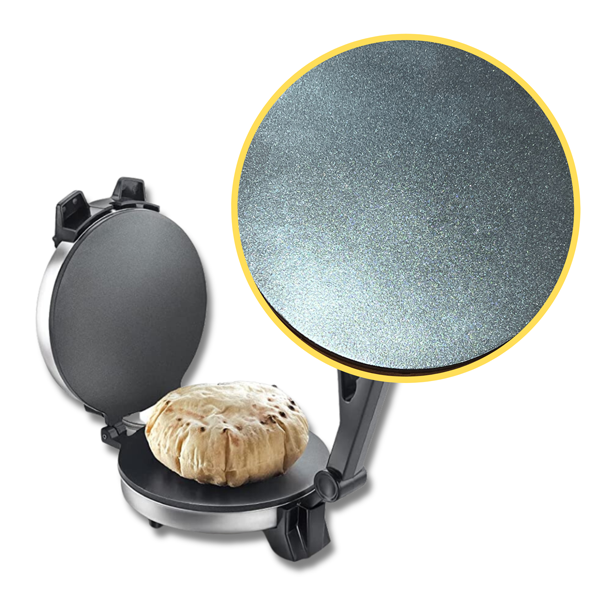
PTFE non stick coating is a fluoropolymer-based surface coating used on industrial parts that need a smooth, low-friction, and easy-release surface. In simple words, it helps materials move more easily on the coated surface and reduces the chance of sticking.
PTFE stands for polytetrafluoroethylene. It is known for low surface energy, strong chemical resistance, and stable performance across a wide temperature range. This is why PTFE non stick coating is used in moulding, food production, packaging, automotive, chemical processing, and general manufacturing work.
A suitable PTFE non stick coating can help reduce friction, improve release, support easier cleaning, and protect the base surface from moisture, chemicals, and product build-up. The final result depends on the part material, surface preparation, coating thickness, curing process, and actual working conditions.
If you want more background on our work, you can read our About PTFE non stick coating company page.
PTFE non stick coating is chosen by buyers, engineers, mould makers, and manufacturers because it can improve part performance, reduce cleaning work, and support smoother production.
PTFE non stick coating creates an easy-release surface. Materials are less likely to stick, which can reduce build-up and support faster, cleaner production.
It can create a barrier between the base metal and the outside environment. This may help protect parts from moisture, rust, and chemical exposure.
PTFE has a very low coefficient of friction. This can help reduce drag, support smoother movement, and lower unwanted surface contact in suitable applications.
A low-stick surface can reduce residue and product build-up. This often makes cleaning easier and may help reduce downtime in busy production lines.
PTFE non stick coating can be used on rollers, moulds, tools, trays, tanks, and process components when the part material and service conditions are suitable.
Every job should be reviewed for base material, temperature, load, movement, thickness, and chemical exposure before the final coating system is chosen.
PTFE non stick coating is used in many industries because it offers low friction, easy release, and resistance to many chemicals. It is useful where sticking, drag, residue, or difficult cleaning creates problems.
PTFE non stick coating on moulds and dies can improve product release, reduce material build-up, and support smoother production cycles.
It is used on selected food-related tools, trays, moulds, and machine parts where easier cleaning and clean release are important.
It is useful for rollers that handle sticky materials or need a smoother, lower-friction operating surface during production.
It can help protect selected tanks, tools, pumps, valves, and components where chemical resistance and corrosion protection are needed.
Common PTFE non stick coating applications include mould cavities, shafts, bearings, bushes, fasteners, sealing parts, packaging machine parts, mixing equipment, automotive parts, and industrial tools. The coating must match the mould material, working temperature, product material, surface finish, and production conditions.
PTFE non stick coating can be applied to many properly prepared metals such as carbon steel, stainless steel, aluminum, brass, copper, cast iron, and selected alloys. A coating provider should always check material compatibility before starting the job because some parts may react differently to preparation and curing temperatures.
PTFE non stick coating gives the best result when the part is properly checked, cleaned, prepared, coated, cured, and inspected. Good process control is important for strong adhesion and long service life.
We inspect the component for oil, grease, rust, old coating, scratches, and shape details. We also review the base material, application, and areas that must remain uncoated.
We clean the part and prepare the surface to create the right profile for coating adhesion. Proper preparation is one of the most important steps in PTFE non stick coating.
The coating is applied under controlled conditions. One or more layers may be used depending on the part, required thickness, and expected working performance.
After curing, the finished part is checked for coverage, appearance, masking accuracy, and other quality points before dispatch or collection.
The full PTFE non stick coating process may also include masking of threads, holes, sealing faces, and close-tolerance areas. Correct curing time and temperature are essential because poor curing can reduce adhesion and coating performance. For critical applications, extra checks may be needed for thickness, finish, and coating uniformity.
Jai Ambay Etching Process is known for industrial surface engineering support and job-focused service. We understand that buyers are not looking only for coating. They need dependable performance, process understanding, and practical support for PTFE non stick coating, Teflon coating services, and custom mould coating jobs.
Before we suggest a coating approach, we review the component material, operating temperature, chemical exposure, load, movement, working environment, and required finish. This helps us guide customers toward a suitable PTFE non stick coating system instead of using a one-size-fits-all approach.
You can also visit our About page to learn more about our company background and coating support.
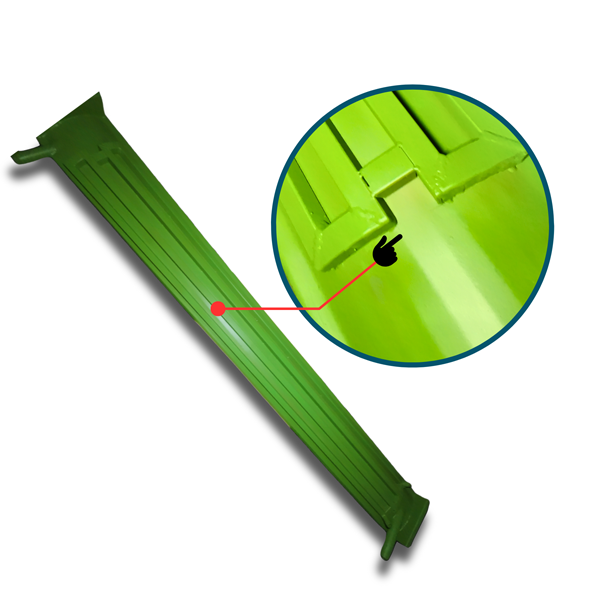
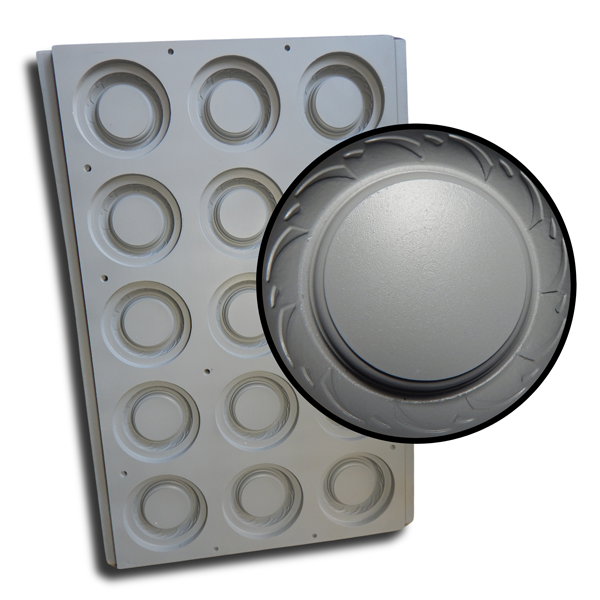
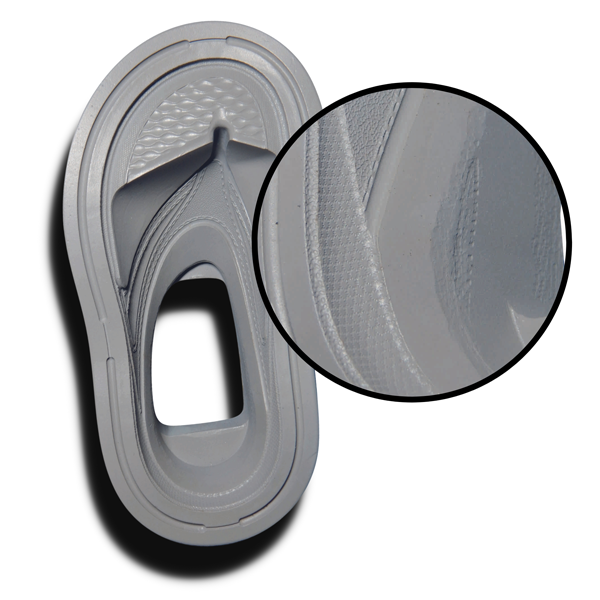
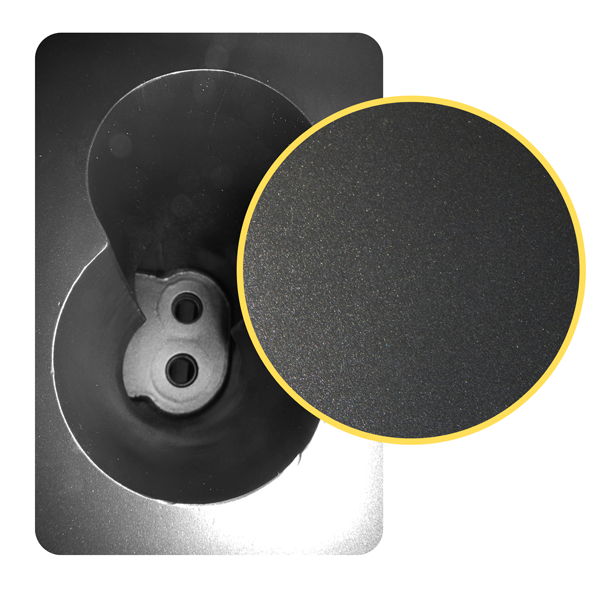
These examples show how PTFE non stick coating supports easy release, easier cleaning, lower friction, and better surface protection in different industrial applications.
.png)
Supports smooth release and easy cleaning in food-contact applications.
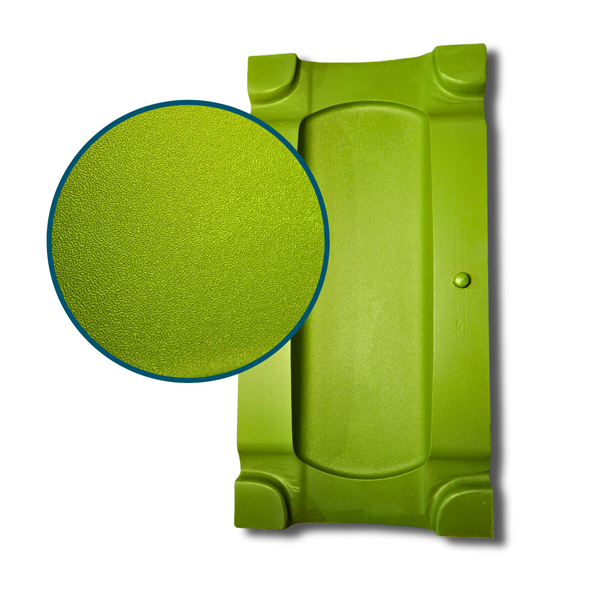
Helps reduce sticking and supports smoother mould release.
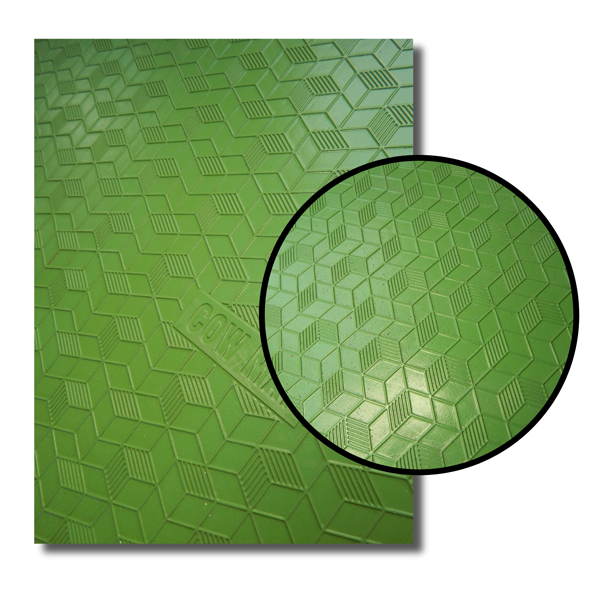
Improves release, reduces sticking and supports longer mould life.
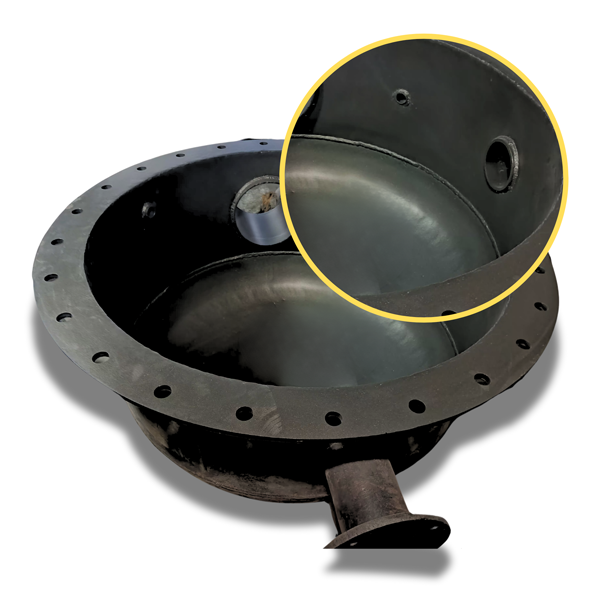
Protects surfaces from sticking, corrosion and chemical build-up.
Quick answers about PTFE non stick coating, common applications, working performance, and how to choose the right coating service.
PTFE non stick coating is used to reduce sticking, improve release, resist many chemicals, and support easier cleaning on moulds, rollers, tools, trays, tanks, and industrial parts.
Yes, PTFE non stick coating is commonly used on mould-related components where better release and lower sticking are needed. The final choice depends on the mould material, temperature, product material, and production conditions.
Food-grade PTFE coating support may be available depending on the component, process requirement, and working use. The part and service conditions should be reviewed before recommendation.
You can contact Jai Ambay Etching Process with part details, dimensions, quantity, base material, operating temperature, and application requirement for a quotation.
Yes, we provide PTFE non stick coating services for moulds, rollers, trays, dies, and other industrial parts for customers across India.
Many buyers use PTFE coating, non-stick coating, and Teflon coating as related terms when looking for a low-friction, easy-release surface treatment. The right system still depends on the actual industrial application.
Yes, PTFE non stick coating can be applied to suitable aluminum components after correct surface preparation. The alloy grade and curing temperature must be checked first.
Service life depends on operating temperature, abrasion, load, coating thickness, chemical exposure, part design, and maintenance. There is no single life span for every application.
We are proud to support industrial clients from different sectors with PTFE non stick coating, industrial coating support, and practical surface engineering solutions.





Share your part details, quantity, base material, operating temperature, and application requirement. Our team will review your PTFE non stick coating need and help you with the right coating discussion and quotation support. You can also read our company profile or check the FAQ section for quick answers.